Before the Egg Drops: The Pre-Ovulation Maturation Window That May Be Reshaping IVF Timing
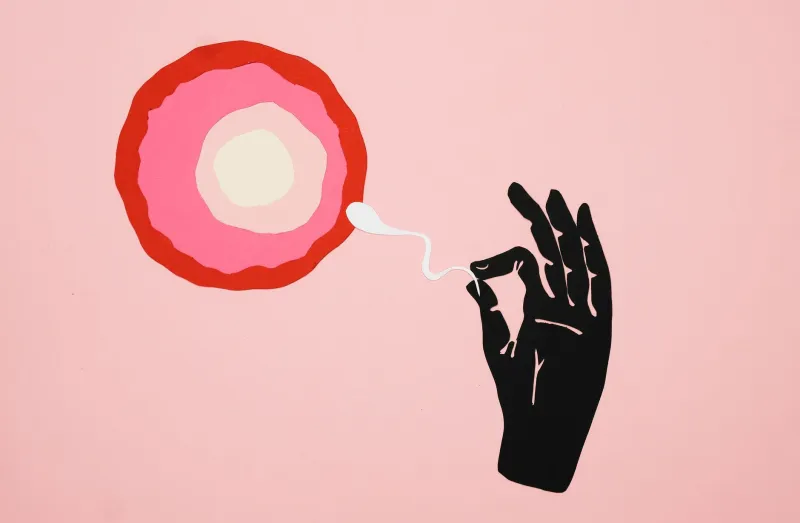
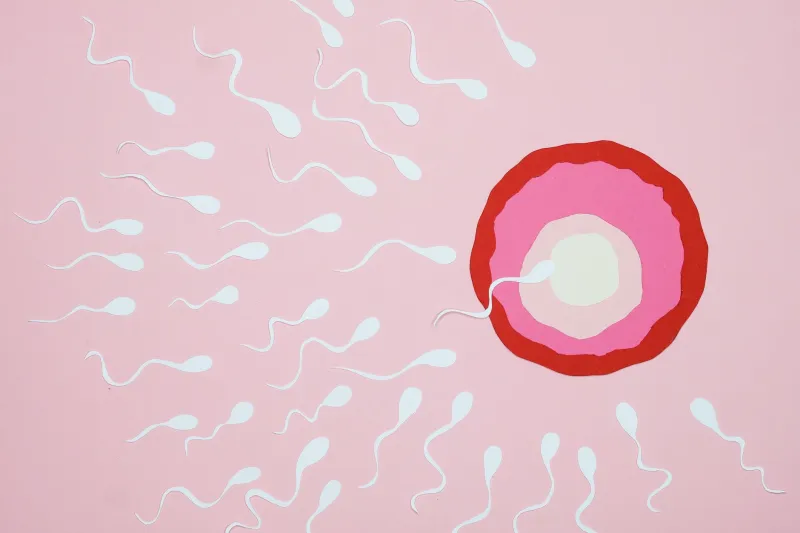
For decades, the reproductive health conversation has treated ovulation as the definitive starting line — the moment a mature egg becomes available for fertilization. Couples trying to conceive are counseled to track ovulation through basal body temperature, luteinizing hormone (LH) surges, or cycle day calculations. IVF patients receive carefully timed trigger injections designed to coordinate egg release with retrieval procedures. The egg's availability, in this framework, has traditionally been treated as synonymous with its readiness.
Emerging research, however, is beginning to complicate that picture in important ways. Scientists studying oocyte biology have identified a pre-ovulation maturation window — a period of hours before the follicle ruptures during which the egg undergoes critical developmental changes that determine whether fertilization can ultimately succeed. This distinction between when the egg is released and when the egg is truly ready may be subtler than most patients realize, yet its implications for both clinical practice and reproductive outcomes are substantial.
Two Types of Readiness: Nuclear and Cytoplasmic Maturation
To understand why this window matters, it helps to recognize that egg maturation is not a single event but a layered biological process with two distinct dimensions.
Nuclear maturation refers to the completion of meiosis — the cell division process that reduces the egg's chromosome count by half in preparation for fertilization. This is the stage most clinicians and patients are familiar with. An egg that has completed nuclear maturation has reached what embryologists call the metaphase II (MII) stage, and it is at this point that the egg is considered structurally capable of being fertilized.
Cytoplasmic maturation, by contrast, is less visible but equally essential. This process involves the reorganization of cellular organelles, the accumulation of proteins and messenger RNA molecules, and the positioning of mitochondria — the energy-producing structures critical to early embryo development. An egg can appear nuclear-mature under a microscope while remaining cytoplasmatically immature, lacking the internal molecular infrastructure required to support successful fertilization and subsequent embryo development.
Research published in reproductive biology journals over the past several years has highlighted that cytoplasmic maturation does not always align precisely with nuclear maturation. In some cases, the cytoplasm continues to undergo preparatory changes during the final hours before ovulation — meaning that an egg retrieved or fertilized at the earliest possible moment of apparent readiness may not yet have completed the full maturation sequence.
Why Timing Matters More Than We Assumed
In the context of natural conception, the body's own timing mechanisms have evolved to account for this window. Sperm can survive in the female reproductive tract for up to five days, and the LH surge that triggers ovulation also initiates a cascade of intrafollicular changes that support full oocyte maturation. In most healthy cycles, by the time the egg is actually released and encountered by sperm, both nuclear and cytoplasmic maturation are complete.
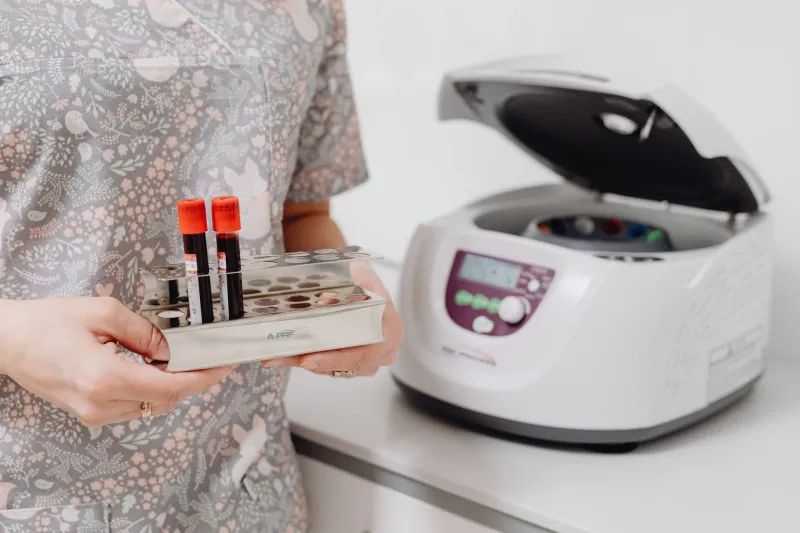
But in the controlled environment of IVF, the margin for error narrows considerably. Egg retrieval must be timed precisely — typically 34 to 36 hours after a trigger injection of human chorionic gonadotropin (hCG) or a GnRH agonist. Retrieve too early, and some eggs may not have completed maturation. Wait too long, and the risk of premature ovulation — losing eggs before retrieval — increases.
The challenge is that not all eggs within a single cohort mature at the same rate. Even in a well-stimulated cycle, a given patient's follicles may contain eggs at varying stages of cytoplasmic readiness at the moment of retrieval. Some eggs classified as MII — nuclear-mature — at the time of retrieval may still be completing cytoplasmic processes. This biological variability is one reason why fertilization rates, even in otherwise well-managed cycles, rarely reach 100 percent.
How Some Clinics Are Quietly Adjusting Their Protocols
The practical response to this research has not produced a single, universally adopted protocol change. Instead, a subset of reproductive endocrinologists and embryology laboratories in the United States have begun revisiting their trigger shot timing with greater individualization in mind.
Traditionally, trigger injection timing has followed a relatively standardized formula based on follicle size and estradiol levels. Some clinics, however, are now incorporating additional variables — including the specific trigger agent used, the patient's ovarian response pattern, and even laboratory-level data on past fertilization outcomes — to fine-tune the interval between trigger and retrieval for individual patients.
There is also renewed interest in in vitro maturation (IVM) — a technique in which immature eggs are retrieved earlier and allowed to complete nuclear maturation outside the body in specialized culture media. While IVM has historically been associated with lower success rates than conventional IVF, advances in culture systems designed to better support cytoplasmic maturation are gradually improving outcomes. For certain patient populations, including those with polycystic ovary syndrome (PCOS) who face elevated risks from ovarian stimulation, optimized IVM protocols may represent a meaningful clinical option.
At the laboratory level, some embryology teams are extending the time between egg retrieval and insemination — a practice sometimes called delayed insemination or rescue IVM — to allow eggs that appear borderline at retrieval additional time to complete cytoplasmic maturation in culture before fertilization is attempted. Early data on this approach are cautiously encouraging, though it remains an area of active investigation rather than established standard of care.
What This Means for Patients
For individuals currently navigating IVF, this research offers both perspective and, in some cases, a practical conversation to have with their care team.
If you have experienced unexpectedly low fertilization rates despite a strong egg retrieval, cytoplasmic maturation variability is one of several biological factors worth discussing with your reproductive endocrinologist or embryologist. It does not explain every case of poor fertilization, but it is a legitimate piece of the diagnostic picture that is sometimes overlooked in favor of more familiar variables like sperm parameters or embryo grading.
For patients undergoing multiple IVF cycles, asking your clinic about their trigger protocol rationale — and whether individualized timing adjustments have been considered based on your specific response history — is a reasonable and informed question. Clinics that engage seriously with this level of detail are often those staying current with the evolving science of oocyte biology.
For those attempting natural conception, the practical takeaway is more limited but still worth noting: the body's hormonal coordination is generally well-designed to align egg readiness with fertilization opportunity. The primary implication of this research for natural cycles is a deeper appreciation of why the days immediately preceding ovulation — not just ovulation itself — represent a biologically significant window.
The Broader Lesson
Reproductive medicine has made extraordinary advances by treating the body's processes as manageable variables — and in many ways, they are. But the biology of egg maturation is a reminder that even well-characterized processes contain layers of complexity that standard clinical metrics do not fully capture. An egg that passes the visible threshold of readiness may still be engaged in molecular preparation invisible to any current grading system.
As the field continues to develop more sophisticated tools for assessing oocyte quality — including non-invasive metabolomic analysis and advanced imaging technologies — the pre-ovulation maturation window is likely to receive growing clinical attention. For now, understanding that readiness is a process rather than a moment is itself a meaningful shift in how patients and providers can think about the earliest stages of conception.